Apple Card Review 2026: Rewards, Fees, Approval, and Alternatives

Kevin Mitchell
Thursday, June 25, 2026 at 10:52 AM EDT
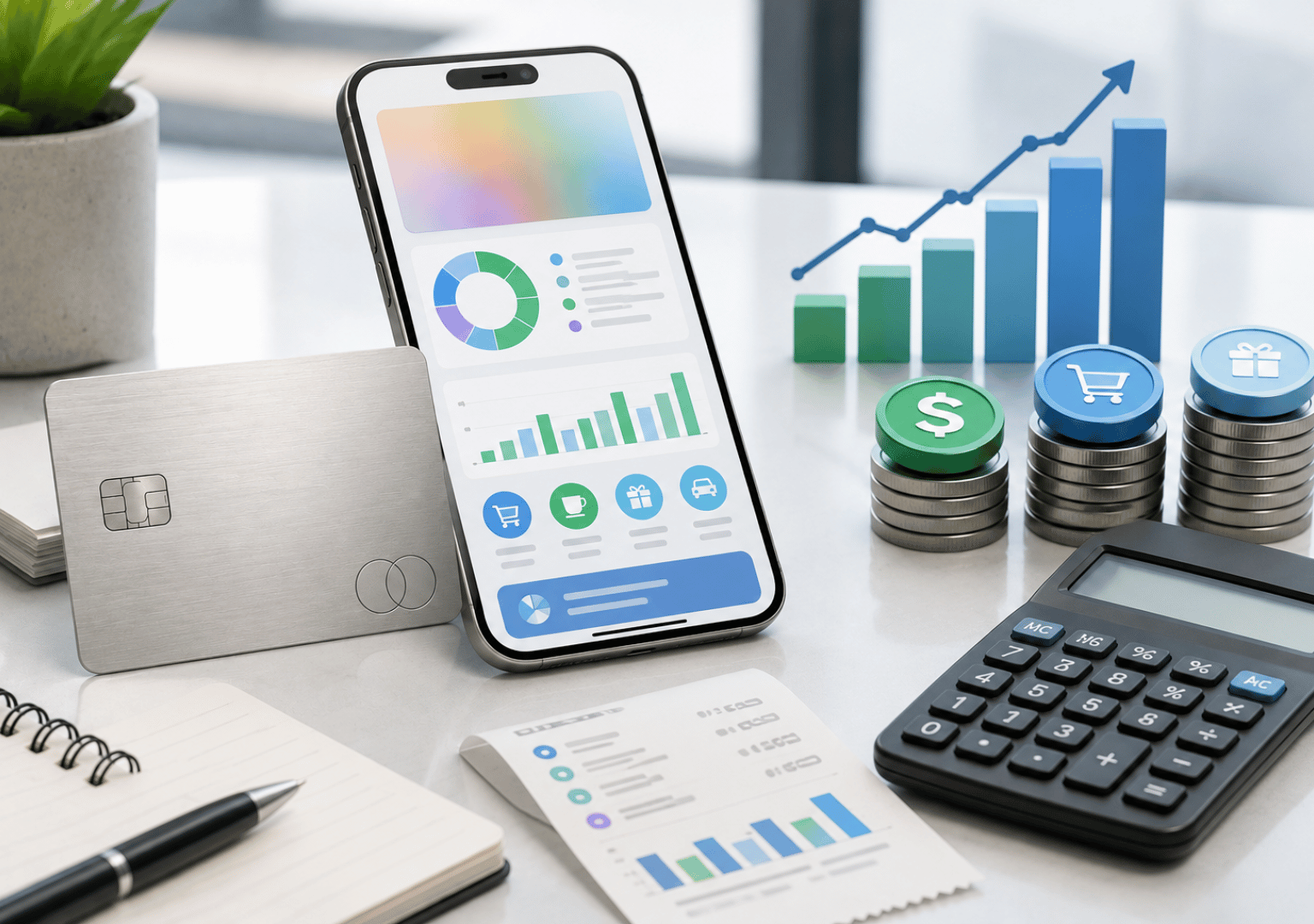
Another highly discussed credit card is the Apple Card which comes integrated with your iPhone. Apple Card Review is simple, elegant, easily manageable right from the Wallet app, and it is for those who have been using Apple Pay. However, does Apple Card make sense as a rewards credit card in 2026 or its popularity stems only from the Apple brand?
This Apple Card review explains the card in plain language. We will discuss the rewards, Daily Cash, fees, real-world examples of cash back, use cases, approval process, pros and cons, as well as alternatives before you apply for the card.
Apple Card Review might be a great choice for iPhone users who are frequent users of Apple Pay and are looking for a simple no annual fee cash back card. Also, Apple Card may be helpful to those who frequently buy Apple products and get 3% Daily Cash on eligible Apple purchases. The card is not as appealing to those who do not use Apple Pay, prefer travel points, welcome bonuses, and high cash back in groceries, gas, or online shopping.
In a nutshell, Apple Card works great for Apple users seeking simplicity, app-based control, no annual fee, and easy.
Apple Card Quick Review
Apple Card Review is a cash-back credit card that was introduced by Apple and which is provided via a partner bank. The card operates within the Apple Wallet app, and it has been designed around Apple Pay. Customers are able to use Apple Card digitally using Apple Pay or order the card in titanium form. The program has been named Daily Cash. Rather than relying on the monthly statement period, customers earn cash back on a daily basis.
Here is the basic rewards structure:
• 3% Daily Cash on Apple purchases
• 3% Daily Cash at select merchants when using Apple Card with Apple Pay
• 2% Daily Cash when using Apple Card with Apple Pay
• 1% Daily Cash when using the physical titanium card
• No annual fee
• No foreign transaction fee
• No late fee
• Variable APR applies if you carry a balance
Apple Card Review is strongest when you use Apple Pay. If you mostly swipe or insert the physical card, the rewards become much weaker because the physical card earns only 1% Daily Cash on purchases.
Apple Card Review: Best For
Apple Card may be best for:
• iPhone users
• Apple Pay users
• People who buy Apple products
• People who want simple cash back
• People who want no annual fee
• People who like app based card management
• People who want easy spending summaries
• People who want a clean digital card experience
• People who want Apple Card Monthly Installments for eligible Apple purchases
Apple Card may not be best for:
• Android users
• People who do not use Apple Pay
• People who want travel rewards
• People who want a large welcome bonus
• People who want the highest flat cash back rate
• People who carry credit card balances
• People who spend mostly at places that do not accept Apple Pay
• People who want advanced rewards categories
Apple Card Rewards Explained
Apple Card rewards are called Daily Cash. This is Apple’s version of cash back. The rewards are simple compared with points and miles cards.
There are no complicated travel portals, airline partners, hotel transfers, or rotating categories. You earn cash back based on how and where you use the card.
The biggest thing to understand is that Apple Card rewards depend heavily on Apple Pay.
3% Daily Cash
Apple Card gives 3% Daily Cash on eligible purchases made directly with Apple. This can include Apple products and some Apple services, depending on the current terms.
This is useful if you buy:
• iPhone
• Mac
• iPad
• Apple Watch
• AirPods
• Apple accessories
• App Store purchases
• Apple Music
• Apple TV
• iCloud storage
• Other eligible Apple purchases
Apple Card also offers 3% Daily Cash at select merchants when you use Apple Card with Apple Pay. The list can change, so cardholders should check Apple’s current merchant list before relying on a specific store.
2% Daily Cash
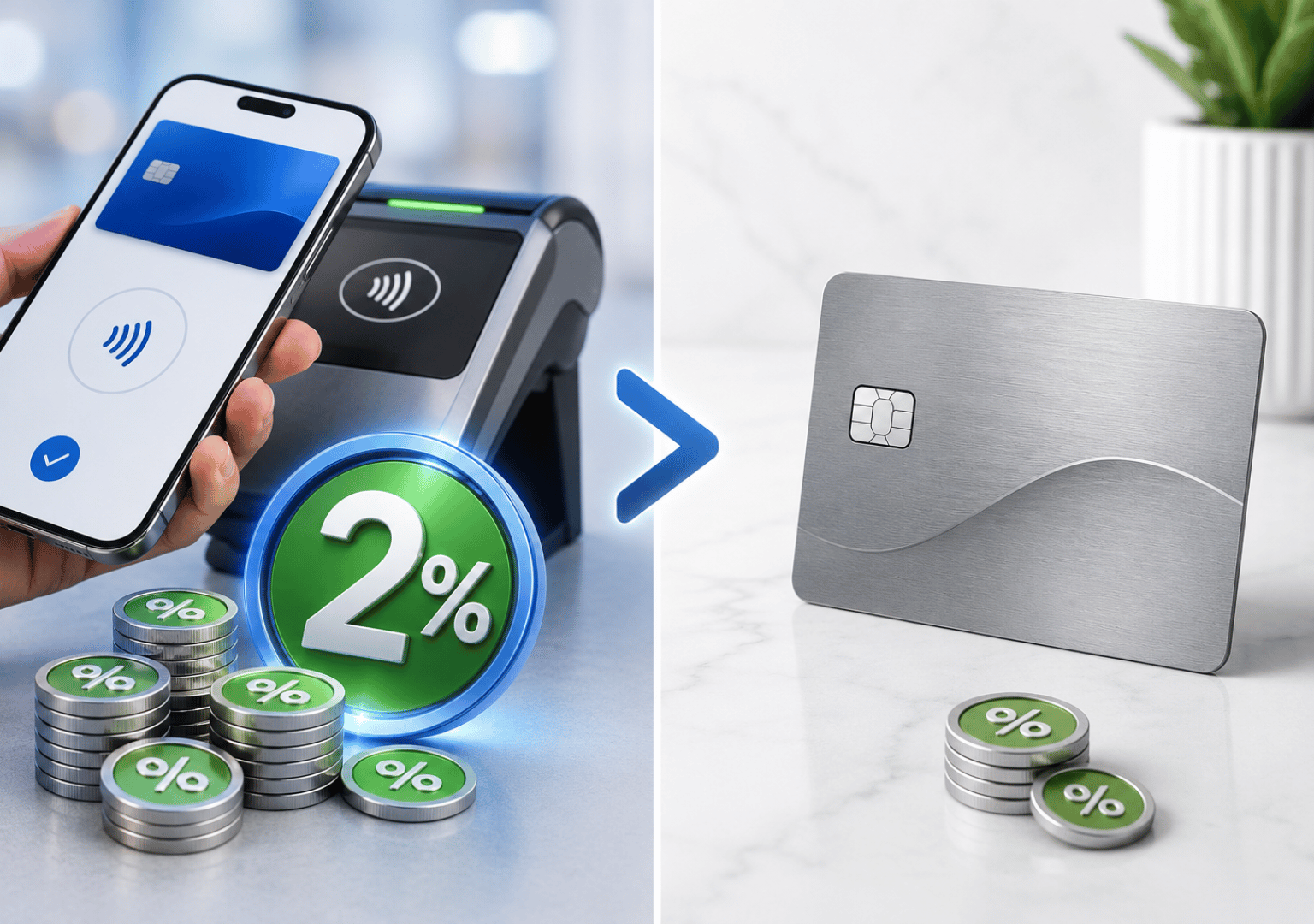
Apple Card gives 2% Daily Cash when you use Apple Card through Apple Pay. This is the core reward rate for everyday use.
This could be useful if your usual stores happen to accept Apple Pay. There are plenty of grocery stores, gas stations, restaurants, retailers, web sites, and mobile applications that support Apple Pay, although not all merchants do.
The 2% rate is simple and useful. But it only works when you use Apple Pay. If Apple Pay is not accepted and you use the physical card, you usually earn only 1%.
1% Daily Cash
The physical titanium Apple Card earns 1% Daily Cash. This is one of the main weaknesses of Apple Card.
The titanium card looks premium, but it is not the best way to earn rewards. Many no annual fee credit cards offer 1.5% or 2% back on general purchases. So if you use the physical Apple Card often, you may be leaving rewards on the table.
The physical card is best as a backup, not as your main payment method.
Real Apple Card Cash Back Examples
The easiest way to judge Apple Card is to calculate real rewards based on spending.
Example 1: Everyday Apple Pay User
Monthly spending:
• Groceries with Apple Pay: $500
• Restaurants with Apple Pay: $300
• Gas with Apple Pay: $200
• Online shopping with Apple Pay: $300
• Other Apple Pay purchases: $200
Total Apple Pay spending: $1,500 per month
At 2% Daily Cash:
$1,500 x 2% = $30 per month
Yearly cash back:
$30 x 12 = $360 per year
In this case, Apple Card can be useful because the user earns a simple 2% on Apple Pay purchases with no annual fee.
Example 2: Apple Product Buyer
A user buys a $1,200 iPhone from Apple using Apple Card.
At 3% Daily Cash:
$1,200 x 3% = $36 Daily Cash
If the user also uses Apple Card Monthly Installments, they may be able to spread eligible Apple purchases into monthly payments while still earning Daily Cash upfront, depending on current Apple terms.
This can be helpful for Apple buyers, but it should not encourage unnecessary upgrades. Financing is useful only when the monthly payment fits your budget.
Example 3: Physical Card User
Monthly spending with physical Apple Card:
• Groceries – $500
• Dining – $300
• Gas – $200
• Shopping – $300
• Other spending – $200
Monthly spending with physical Apple Card – $1,500 per month
At 1% Daily Cash:
$1,500 x 1% = $15 per month
Cash Back per year:
$15 x 12 = $180 per year
$15 x 12 = $180 a year
It is much less effective in comparison with Apple Pay usage. The rewards from 2% flat cash back card would be as follows:
$1,500 x 2% = $30 a month
$30 x 12 = $360 a year
It means that there is a difference of $180 a year.
Therefore, it is one more example of how the Apple Card can be beneficial in combination with Apple Pay but not in case when only physical cards are used.
Example 4: Use of Both Apple Pay and Physical Card
Monthly spendings:
• Apple Pay – $1,000
• Physical card – $500
Rewards from purchases via Apple Pay:
$1,000 x 2% = $20
Rewards from purchases via physical card:
$500 x 1% = $5
Total monthly reward:
$25
Yearly reward:
$25 x 12 = $300
It is still not bad but depends on your opportunity to use Apple Pay.
Apple Card Pros
1. No Annual Fee
Apple Card has no annual fee. This makes it easier to keep long term. You do not need to earn a certain amount of rewards just to break even.
For many people, no annual fee is a major benefit because it lowers the risk of owning the card.
2. Simple Daily Cash Rewards
Daily Cash is easy to understand. You earn cash back, not complicated points. The rewards can be used through Apple Cash, applied toward purchases, or managed inside the Apple ecosystem depending on your setup.
This is helpful for people who do not want to learn travel rewards programs.
3. Strong 2% Back With Apple Pay
Apple Card’s 2% Daily Cash on Apple Pay purchases is the main reason the card is useful. If you use Apple Pay for most everyday spending, the rewards can be competitive for a no annual fee card.
4. 3% Back on Apple Purchases
Apple Card is strong for Apple purchases. If you buy Apple products, accessories, apps, subscriptions, or services, 3% Daily Cash can add value.
This is especially helpful for people who regularly buy Apple devices or pay for Apple services.
5. Clean Wallet App Experience
One of Apple Card’s best features is the app experience. The Wallet app makes it easy to see purchases, track spending, view payments, and understand interest charges.
For users who like simple financial tools, this is a strong benefit.
6. No Late Fee
Apple Card does not charge a late fee. That does not mean late payments are safe. Late payments can still hurt your credit and interest can still apply. But not having a late fee is still helpful.
7. No Foreign Transaction Fee
The Apple Card does not levy any foreign transaction charges. This feature can prove beneficial while traveling abroad or making purchases from foreign merchants.
Nonetheless, American Express or Visa cards may have a wider presence across the globe in terms of international acceptability in comparison to the Apple Card in certain areas and among certain merchants.
Apple Card Cons
1. Best Rewards Require Apple Pay
Apple Card is only strong when you use Apple Pay. If a merchant does not accept Apple Pay, you may need to use the physical card and earn only 1%.
This makes the card less useful for people who shop at places where Apple Pay is not accepted.
2. Physical Card Earns Only 1%
The physical titanium card looks nice, but the rewards are weak. Many other no annual fee cards earn more than 1% on general purchases.
If you often use a physical card, Apple Card is probably not your best main card.
3. No Big Welcome Bonus
Many cash back cards offer a welcome bonus after meeting a spending requirement. Apple Card usually does not compete strongly in this area.
A welcome bonus can be worth more than a year of regular cash back for some users. This is one reason other cards may beat Apple Card for new applicants.
4. Not Ideal for Travel Rewards
Apple Card is a cash back card, not a travel rewards card. It does not offer airline miles, hotel points, airport lounge access, or advanced travel transfer partners.
If your goal is travel rewards, Apple Card is not the best choice.
5. Limited Bonus Categories
Apple Card does not offer special bonus categories like 5% rotating categories, 3% groceries, 3% dining, or 3% online shopping across broad categories.
The 2% Apple Pay rate is simple, but category cards may earn more in specific areas.
Approval Difficulty
Apple Card approval depends on several factors, including credit history, income, debt, payment history, and overall creditworthiness. There is no guaranteed approval score.
Apple lets users apply to see if they are approved with no impact to their credit score at the initial application stage. If you accept an offer, a hard inquiry may happen.
In general, users with better credit, stable income, and lower debt are more likely to receive better approval odds and better APR offers. Users with limited credit history, recent missed payments, high credit utilization, or too many recent applications may have more difficulty.
Apple Card Review may be easier to check than some cards because you can see whether you are approved before accepting the offer. But approval is still not guaranteed.
Who Should Apply for Apple Card?
Apple Card may be a good fit if:
• You use an iPhone
• You use Apple Pay often
• You buy Apple products
• You want no annual fee
• You want simple cash back
• You want easy app based card management
• You want no foreign transaction fee
• You pay your balance in full every month
• You like seeing spending and payments clearly in Wallet
The ideal Apple Card user is someone who already lives inside the Apple ecosystem and can use Apple Pay for most everyday purchases.
Who Should Avoid Apple Card?
Apple Card may not be a good fit if:
• You do not use Apple Pay
• You mostly use physical cards
• You want travel points
• You want a large welcome bonus
• You want high rewards on groceries, gas, dining, or online shopping
• You carry a balance
• You do not use an iPhone
• You want advanced rewards programs
• You want one card that earns 2% everywhere without needing mobile payment
| Purchase Type | Reward Rate | Best Use Case | Example Reward |
|---|---|---|---|
| Apple purchases | 3% Daily Cash | iPhone, Mac, iPad, Apple Watch, Apple services | $1,000 purchase = $30 Daily Cash |
| Select merchants with Apple Pay | 3% Daily Cash | Partner stores that support Apple Card bonus rewards | $500 purchase = $15 Daily Cash |
| Apple Pay purchases | 2% Daily Cash | Everyday spending where Apple Pay is accepted | $1,000 purchase = $20 Daily Cash |
| Physical titanium card purchases | 1% Daily Cash | Backup use when Apple Pay is not accepted | $1,000 purchase = $10 Daily Cash |
| Foreign purchases | 1% to 2% Daily Cash | Travel purchases depending on payment method | $500 purchase = $5 to $10 Daily Cash |
Apple Card Review is good for Apple Pay purchases online, but it may not beat cards that offer higher rewards on online retail purchases.
For example, an online shopping cash back card may offer 3% on eligible online retail purchases up to a yearly cap. If you spend heavily online, that type of card may earn more than Apple Card’s 2% Apple Pay rate.
Apple Card may be better for simple Apple Pay use. Online shopping cards may be better for ecommerce focused shoppers.
Apple Card vs Travel Rewards Cards
Apple Card is not a strong travel rewards card. It has no foreign transaction fee, but it does not offer premium travel rewards, lounge access, airline transfer partners, or hotel benefits.
A travel rewards card may be better if:
• You fly often
• You stay at hotels
• You want points or miles
• You want travel insurance benefits
• You want airport lounge access
• You want flexible travel redemptions
Apple Card is better for simple cash back, not travel strategy.
Apple Card vs Alternative Cards
| Card | Best For | Rewards Style | Annual Fee | Better Than Apple Card For |
|---|---|---|---|---|
| Apple Card | iPhone users and Apple Pay spending | Daily Cash | $0 | Apple purchases and Wallet app experience |
| Wells Fargo Active Cash | Simple flat cash back | Unlimited 2% cash rewards | $0 | Physical card users who want 2% everywhere |
| Citi Double Cash | Simple long term cash back | 2% total cash back | $0 | Users who want strong flat rewards without Apple Pay |
| Chase Freedom Unlimited | Dining, drugstores, and Chase Travel | Cash back | $0 | Bonus categories and welcome offer value |
| Blue Cash Everyday Card | Online shopping, groceries, and gas | Cash back | $0 | Category rewards for everyday spending |
This card could also be an excellent alternative because it has unlimited 2% cash back with zero annual fee on purchases. The card does not need Apple Pay in order to get 2% cash back.
Best for:
• Simple flat rate cash back
• Physical card users
• People who want 2% everywhere
• Users who do not want to track categories
Citi Double Cash Card
Citi Double Cash is another strong flat rate alternative. It earns 2% cash back total, with 1% when you buy and 1% as you pay.
Best for:
• Simple cash back
• People who pay on time
• Users who want no category tracking
• People who want a basic long term rewards card
Chase Freedom Unlimited
The Chase Freedom Unlimited is good for consumers that have zero annual fee, cash back, and additional categories like dining, drugstore, and Chase Travel.
Best for:
• Dining and drugstore spending
• Chase ecosystem users
• People who want a welcome bonus
• Users who want more category value than Apple Card
Blue Cash Everyday Card from American Express
The Blue Cash Everyday card would be an excellent alternative for consumers that want cash back on online U.S. retail purchases, U.S. supermarkets, and U.S. gas stations.
Best for:
• Online shopping
• Groceries
• Gas
• No annual fee cash back
• People who want category rewards
Which Is Better: Apple Card or a 2% Flat Cash Back Card?
If you use Apple Pay almost everywhere, Apple Card Review can work like a 2% cash back card for many purchases. But if you often use a physical card, a regular 2% flat cash back card may be better. If you need emergency loan tips visit this.
Apple Card wins for:
• Apple purchases
• Wallet app experience
• Apple Pay users
• Daily Cash
• Apple ecosystem simplicity
2% flat cards win for:
• Physical card spending
• Non Apple Pay purchases
• Simple rewards everywhere
• Users outside the Apple ecosystem
• People who want fewer restrictions
Real Calculation: Online Shopping Card vs Apple Card
Assume you spend $4,000 per year on eligible online retail purchases.
Apple Card with Apple Pay at 2%:
$4,000 x 2% = $80
Online shopping card at 3%:
$4,000 x 3% = $120
Difference:
$120 – $80 = $40 more with the online shopping card
This shows why Apple Card is not always the best for online shopping rewards.
Is Apple Card Good for Building Credit?
Apple Card can help build credit if used responsibly. Like other credit cards, the most important habits are paying on time and keeping utilization low.
To use Apple Card responsibly:
• Pay on time
• Pay in full when possible
• Keep balances low
• Avoid unnecessary spending
• Monitor your credit report
• Do not apply for too many cards too quickly
• Use the Wallet app to track payments
No credit card builds credit automatically. Your behavior matters.
Apple Card Interest and Payments
Apple Card’s Wallet app can show estimated interest charges before you pay. This is one of its useful features because it helps users understand how payment choices affect cost. Still, the best strategy is to pay your full statement balance every month. If you carry a balance, interest can erase your rewards quickly.
For example, earning 2% cash back does not help much if you are paying a high APR on a balance. Rewards cards are best for people who pay in full.
Apple Card has strong digital security features through Apple Wallet and Apple Pay. When using Apple Pay, transactions use secure payment technology instead of simply exposing your physical card number. Users can also manage card details through the Wallet app. This can make it easier to monitor purchases, identify suspicious activity, and manage payment methods. ValueCreditCards helps people make smart credit choices
Security is one of Apple Card’s strongest non reward benefits, especially for users who already trust Apple Pay.
FAQ About Apple Card
Is Apple Card worth it in 2026?
Apple Card can be worth it for iPhone users who use Apple Pay often and buy Apple products. It is less valuable for people who mostly use the physical card or want travel rewards.
What cash back does Apple Card offer?
Apple Card offers 3% Daily Cash on Apple purchases and select merchants, 2% Daily Cash when using Apple Card with Apple Pay, and 1% Daily Cash when using the physical card.
Does Apple Card have an annual fee?
No, Apple Card has no annual fee.
Does Apple Card charge late fees?
Apple Card does not charge late fees. However, late payments can still hurt your credit and interest can still apply.
Is Apple Card good for beginners?
Apple Card Review can be good for beginners who use iPhone and Apple Pay. The rewards are simple, and the Wallet app makes spending easy to understand.
Is Apple Card good for travel?
Apple Card has no foreign transaction fee, which is helpful. But it is not a travel rewards card and does not offer premium travel points or lounge benefits.
Is Apple Card better than a 2% cash back card?
Apple Card can match a 2% cash back card when you use Apple Pay. But a flat 2% card may be better if you often use a physical card.
What is the biggest weakness of Apple Card?
The biggest weakness is that the physical titanium card earns only 1% Daily Cash. The best rewards require Apple Pay.
Is Apple Card hard to get approved for?
Approval depends on credit history, income, debt, and overall creditworthiness. Apple lets you check whether you are approved before accepting an offer, but approval is not guaranteed.
Does Apple Card help build credit?
Apple Card Review can help build credit if you pay on time, keep balances low, and use the card responsibly.
Who should avoid Apple Card?
People who do not use Apple Pay, do not use iPhone, carry balances, want travel rewards, or want higher category cash back may want to compare other cards first.
What are the best Apple Card alternatives?
Popular alternatives include flat 2% cash back cards, category cash back cards, online shopping cards, and travel rewards cards. Examples include Wells Fargo Active Cash, Citi Double Cash, Chase Freedom Unlimited, and Blue Cash Everyday from American Express.
Trending Insights
Discover the smartest credit card solutions designed to simplify payments and reward your lifestyle