Cashback cards are one of the simplest ways to put money back in your pocket. Every time you buy groceries, fill the car with gasoline, or pay for a meal, use a good cashback card for these expenses. Over time, the small savings can add up to hundreds of dollars a year. But with so many cashback credit cards on the market, how do you know which one is right for you? The truth is that there is no “best” card for everyone. The best cashback card depends on your lifestyle, usage habits, and financial goals.
How to Choose the Best Cashback Card for Everyday Spending

Kevin Mitchell
Monday, September 8, 2025 at 4:30 AM EDT
Editorial Attribution
Maintained by ValueCreditCards editorial standards.
AuthorKevin Mitchell
WriterSarah Collins
DateMonday, September 8, 2025 at 4:30 AM EDT
This guide will break down everything you need to know about choosing the right cashback card. We will cover types of rewards, regular features, what you can avoid, and how to maximize your savings. Towards the end, you will have a clear idea of which card can give you the most value in your everyday life.
Why Cashback Cards Are So Popular
Cashback cards are simple. Unlike points or miles that need to be traced and redeemed in specific ways, cashback is simple: You earn a percentage of your expenses back in cash. Most issuers allow you to use your rewards as statement credits, direct deposits, or even gift cards.
The simplicity makes Cashback cards appeal to individuals who prefer not to manage complex reward systems. Instead of worrying about blackout dates or conversion frequencies, you just save money every time you swipe.
1: Look at Your Spending Habits
The most important factor in choosing a cashback card is your consumption pattern. Everyone’s expenses are different. Some people spend a lot on groceries and serving, while others spend more on traveling, gasoline, or online shopping.
Here are some common consumer categories and what types of cards match well:
- Groceries: Look for cards that give 3% –6% back to supermarkets.
- EAT: Many cards offer bonus rewards for restaurants and delivery services.
- Gas: Frequent drivers benefit from 3% – 5% cashback at gas stations.
- Online shopping: Some cards work together with large dealers for extra cashback.
- Everyday bills: A flat card ensures that you earn rewards wherever you use.
Look carefully at the monthly budget. Identify the three best places your money goes. This information will direct you to the card that maximizes your reward.
2: Understand the types of cashback structures
Not all cashback cards follow the same formula. The best cashback card for everyday expenses will depend on how you like to earn the award. Here are three main structures to know:
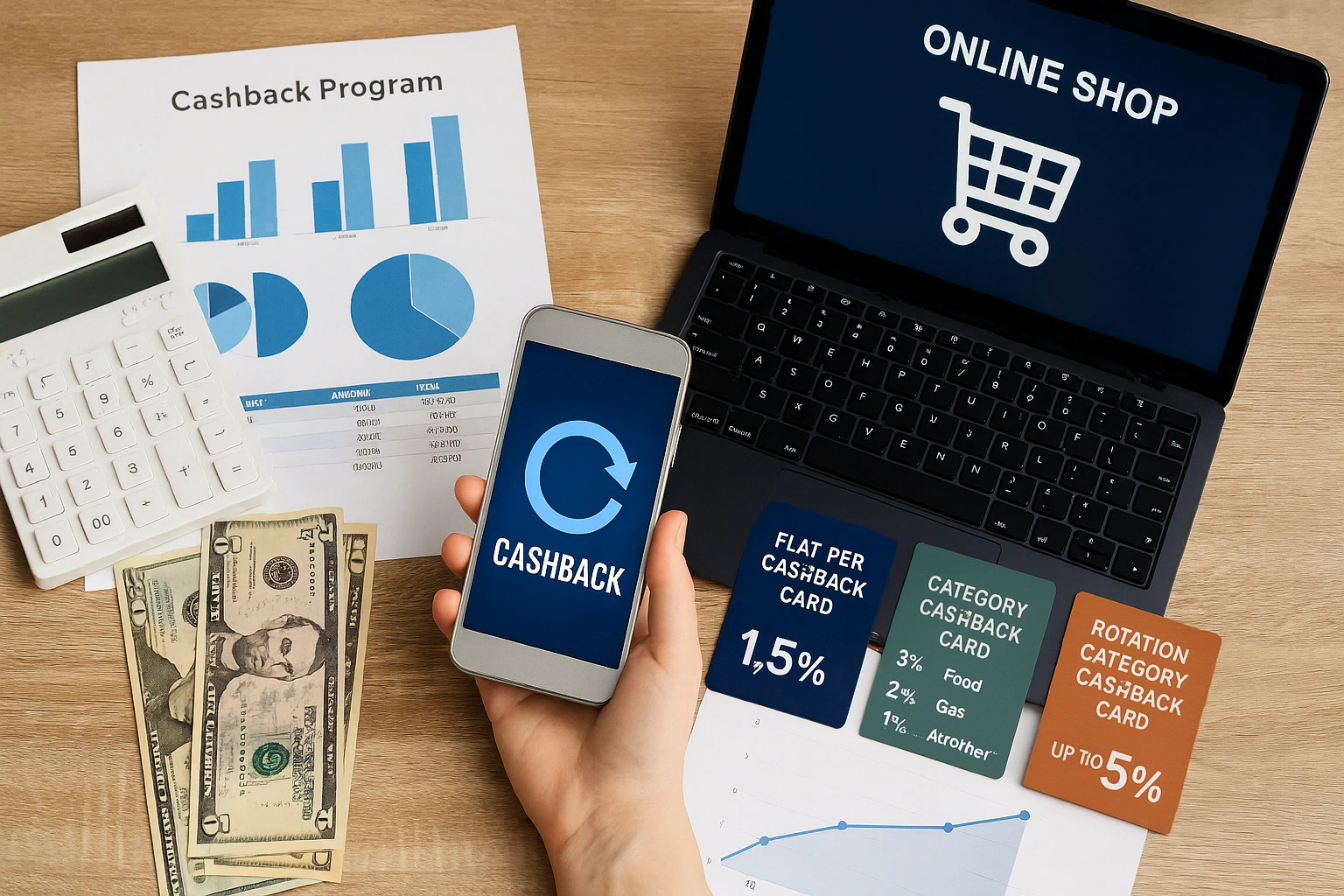
Flat-per cashback card
Flat-rate cards pay the same percentage on every purchase, usually between 1.5% and 2%. If your expenses are spread across many categories without a clear pattern, they work simply, approximately, and well.
Category Cashback Card
Tier cards reward some spending areas compared to others. For example, you can earn 3% on food, 2% on gas, and 1% on everything else. They are best suited for those who spend in specific categories continuously.
Rotation category cashback card
Rotating category cards change their bonus rewards every three months; often, there are categories like grocery accessories, gas, or online shopping. They can offer up to 5%, but you need to track and activate the categories regularly.
3: Check the Annual Fee for the Best Cashback Card
When choosing the best cashback card, the annual fee is one of the most important details to review. This can directly affect how much value you really get from your awards. Keep these points in mind:
- The annual fee reduces the net prize – even if you earn good cashback, a high annual fee can eat into your savings.
- There are many great no-fee cards-many top cashback cards offer solid awards without charging an annual fee.
- Fee-based cards can still be worth it if you spend heavily in bonus categories; the additional cashback can overtake the cost.
- Run the number before applying – against the annual fee comparison to your expected annual awards, see if it makes financial sense.
The best cashback card for most people is a no-fee option. It keeps things simple and ensures that every dollar you have earned in the awards is real savings. Cards with an annual fee can work, but only if you believe that your expenses will generate additional cashback to cover the cost and still leave you further.
4: Consider Sign-Up Bonuses on the Best Cashback Card
When comparing Cashback cards, registration bonuses are one of the first things to notice. They give you an instant boost in reward and can make a short much more valuable in the first year. An enrollment bonus is mainly a one-time offer that rewards you for fulfilling a fixed-care requirement within a few months after opening the account. For many people, this is the fastest way to make everyday purchases for real savings.
Here’s what to keep in mind:
- Big upfront value – many cashback cards offer $150–$300 in rewards when you hit the spending threshold.
- Low spend requirements – most bonuses only require $500–$1,000 in the first three months, making them achievable for everyday expenses.
- Boosts your effective rate – a $200 bonus on $1,000 spent equals 20% cashback, far higher than standard earning rates.
- Watch your budget – bonuses aren’t worth it if you overspend just to qualify.
In short, a registration bonus can give the cashback savings a strong lead. The best cashback card is one that offers a reasonable bonus associated with something you already planned to do. Focus on cards where the bonus fits naturally into your normal budget, so you like the extra rewards without stretching the economy.
5: Pay Attention to Redemption Options
Earning cashback is just half the story; How to redeem it is just as important. Some cards limit your options, while others provide flexibility that makes the reward more useful. A card may look attractive because of the earning rate, but its redemption choices do not fit your lifestyle, you may not get full value. Understanding how different issuers allow you to use cashback helps you ensure that the reward actually works for you.
Here’s what to keep in mind:
- Statement credits – the simplest option, applying rewards directly to reduce your balance.
- Direct deposits or checks – give you actual cash in hand or in your bank account.
- Gift cards – some issuers provide retailer gift cards, sometimes at a slightly higher value.
- Travel conversions – a few cashback cards allow transfers to airline or hotel programs for added flexibility.
The best cashback card is one that allows you to capitalize on the awards that benefit you the most. If you want to reduce your bills primarily, go with the card offering easy statement credit. If you like more options, choose one with several redemption methods so that you can maximize your awards, but you like.
6: Watch the APR and Interest Rates
To earn cashback feels rewarding, but it only works if you manage the balance with care. Interest costs from bearing debt can quickly wipe out all the rewards you have earned. That is why understanding APR, the annual percentage rate, is just as important as comparing cashback percentage. A card may look appealing because of the benefits, but if you do not pay in full each month, the costs can offset the benefits.
Here’s what to keep in mind:
- Pay balance in full – to really benefit from cashback, avoid carrying debt from month to month.
- Standard APR is high -most cashback credit card tax rates are above 20%, which cancel out rewards quickly.
- Introduction 0% APR offer-some cards provide an interest-free period of a limited time on purchases or balance transfers.
- Budget awareness cases – If you are not confident in paying on time, focus on cards with longer intro APRs for security.
In short, the best cashback card saves money only if you manage it in a responsible way. Treat cashback as a bonus, not an excuse to use too much. Pay the balance every month, and if you need extra respite, select a card that offers a 0% initial APR period while still allowing you to earn rewards.
7: Extra Perks Beyond the Best Cashback Card
While cashback rewards are the main attraction, many cards also have several benefits that make them even more valuable. These benefits often go unnoticed, but they can save you money and provide extra protection. Although they are not the decisive factor, it helps to know what is included in most of your cards.
Here’s what to keep in mind:
- Expanded warranties – Add extra coverage to electronics and appliances when purchased with your card.
- Phone protection – some cards cover damage or theft if you pay the bill with the card.
- Travel accident insurance – provides security for trips, often included at no extra cost.
- Free Credit Score monitoring – allows you to track your financial health directly through the card issuer.
Finally, the best cashback card is chosen for the benefits, but these accessories can tip the balance between two strong options. Look at them as bonus value – useful features that provide protection and convenience without costing you more.
How to Maximize Your Best Cashback Card Earnings
Choosing the best cashback card is only the first step. To really gain, you need to use it strategically. You can multiply your awards over time in managing purchases. Whether you are using a flat-rate card or gathering many cards, the correct approach ensures that you squeeze the most value from each dollar you spend.
Here’s what to keep in mind:
- Use the right card for each purchase – if you carry more than one cashback card, match each one to the category where it earns the highest rewards.
- Set up automatic payments – avoid interest charges and protect your rewards by paying your balance on time every month.
- Track rotating categories – set reminders to activate bonus categories so you don’t miss out on extra earnings.
- Stack rewards when possible – use issuer shopping portals or partner offers for additional cashback on top of your card’s rate.
- Spend intentionally – only buy what you need; cashback isn’t worth it if you overspend just to earn rewards.
In short, the best cashback card works best when combined with smart habits. Plan the purchase, pay the balance completely, and use your card at the right locations. With a little discipline, your everyday expenses turn into year -direct steady savings.
Choosing Between Multiple Cards for the Best Cashback Rewards
For some people, a cashback card is not enough to cover the most everyday expenses. Adding a flat-by card with a category card can be a smart strategy. The flat-rate card guarantees stable awards on all purchases, while the category card gives high cashback on things like groceries, food, or gas. Together, this approach balances simplicity with high earning capacity.
If you take this path, it is best to keep things simple. Managing a lot of cards at a time can make tracking categories and awards heavy. Two well-chosen cards are usually sufficient to cover most expenses without adding unnecessary complexity. The goal is for your card to work for you, not convert the cashback into a core.
The best cashback card strategy is one that fits comfortably in your lifestyle. Some people prefer the ease of a single card, while others benefit from making two pairs. The most matter that it is organized, paying the remaining amount completely, and quietly making your expenses to create long-term savings.
FAQs About the Best Cashback Card
1. Are cashback cards better than travel prize cards?
Cashback cards are better for everyday expenses as prizes are simple and flexible. Travel cards are constantly ideal for passengers who can maximize points and miles.
2. Do the cashback awards end?
As long as the account is activated, some issuer gives prizes. If your card is inactive for a very long time, others may have termination rules. Always check the conditions.
3. Can I have more than one cashback card?
Yes. Many people use a flat-rate card and grocery items, gas or a category-based card for general purchases.
4. Is there a negative aspect to annual-charge cards?
No-Fi cards are great for everyday expenses. The only trade-off is that they cannot offer much more cashback than premium cards.
5. How much can I really earn in cashback every year?
It depends on your expenses. Many people save $ 150- $ 300 per year with a single-fee cashback card. Those who spend heavily with category bonuses can earn too much.
Trending Insights
Discover the smartest credit card solutions designed to simplify payments and reward your lifestyle