Visa Introduces New Security Features for Online Payments

Adman Brooks
Wednesday, June 24, 2026 at 11:25 AM EDT
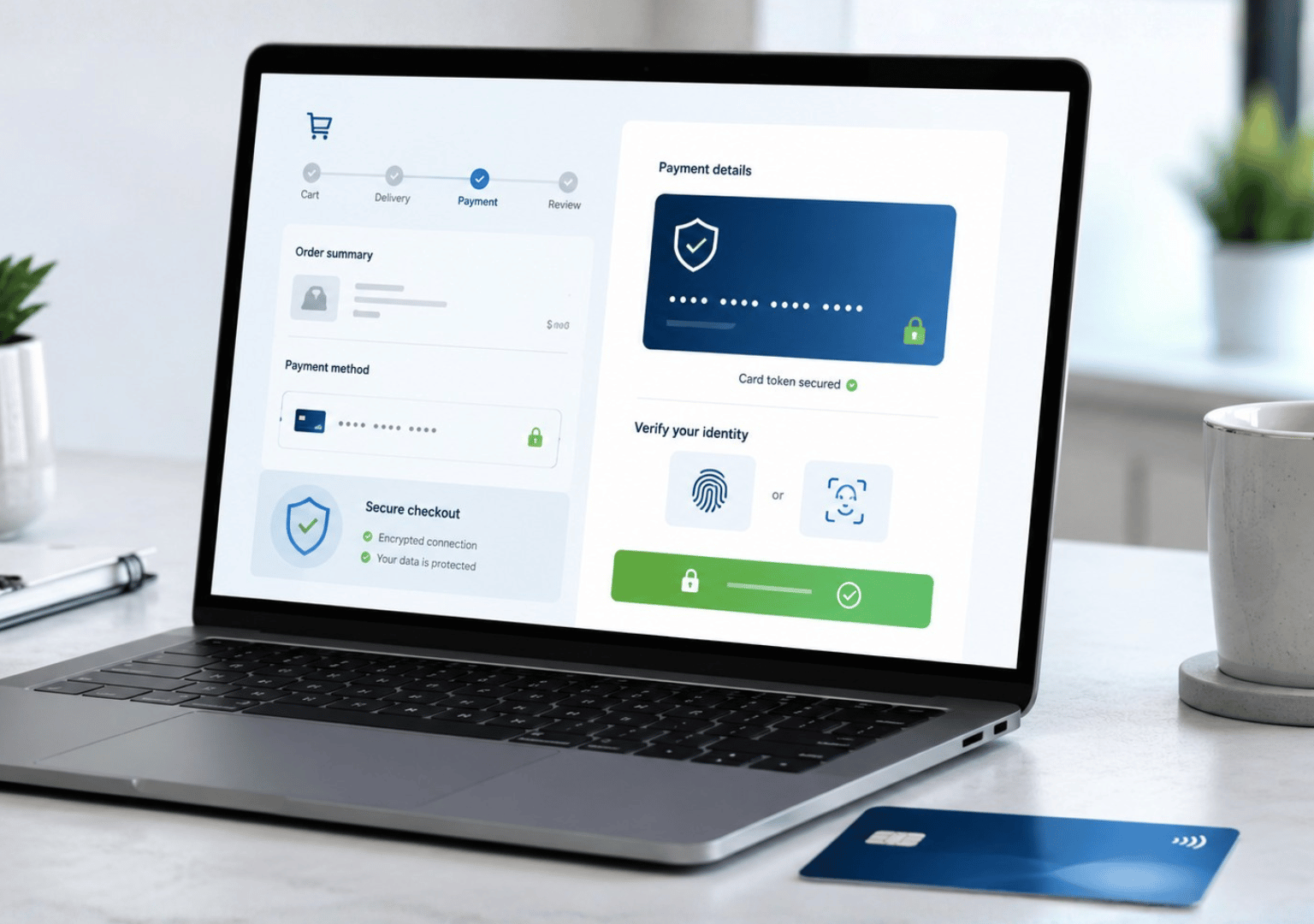
Visa is implementing new security measures for online payments since online shopping keeps growing and developing and the level of payment frauds increases. Visa Security Features for Online Payments. The change is significant for customers, merchants, banks, and credit card holders since online payment system is one of the most popular methods of payments at the moment.
Online payments are convenient, however, they carry certain risks since it is possible to steal your card details, trick you by creating a fake website, use your information to commit frauds. On the other hand, customers do not want an online payment process to be complicated and difficult to navigate.
That is why Visa’s new direction in terms of security becomes really important. The company plans to implement various security measures to ensure safer online transactions. They include such technologies as passkeys, tokenization, Click to Pay, improved authentication, and fraud prevention technologies. The main aim of these changes is obvious – provide additional security while simplifying the process for regular customers.
Credit card users will need to enter their card details less often, face improved security and identity check processes, while merchants will be able to prevent some frauds and avoid payment failures.
Why Visa Is Updating Online Payment Security
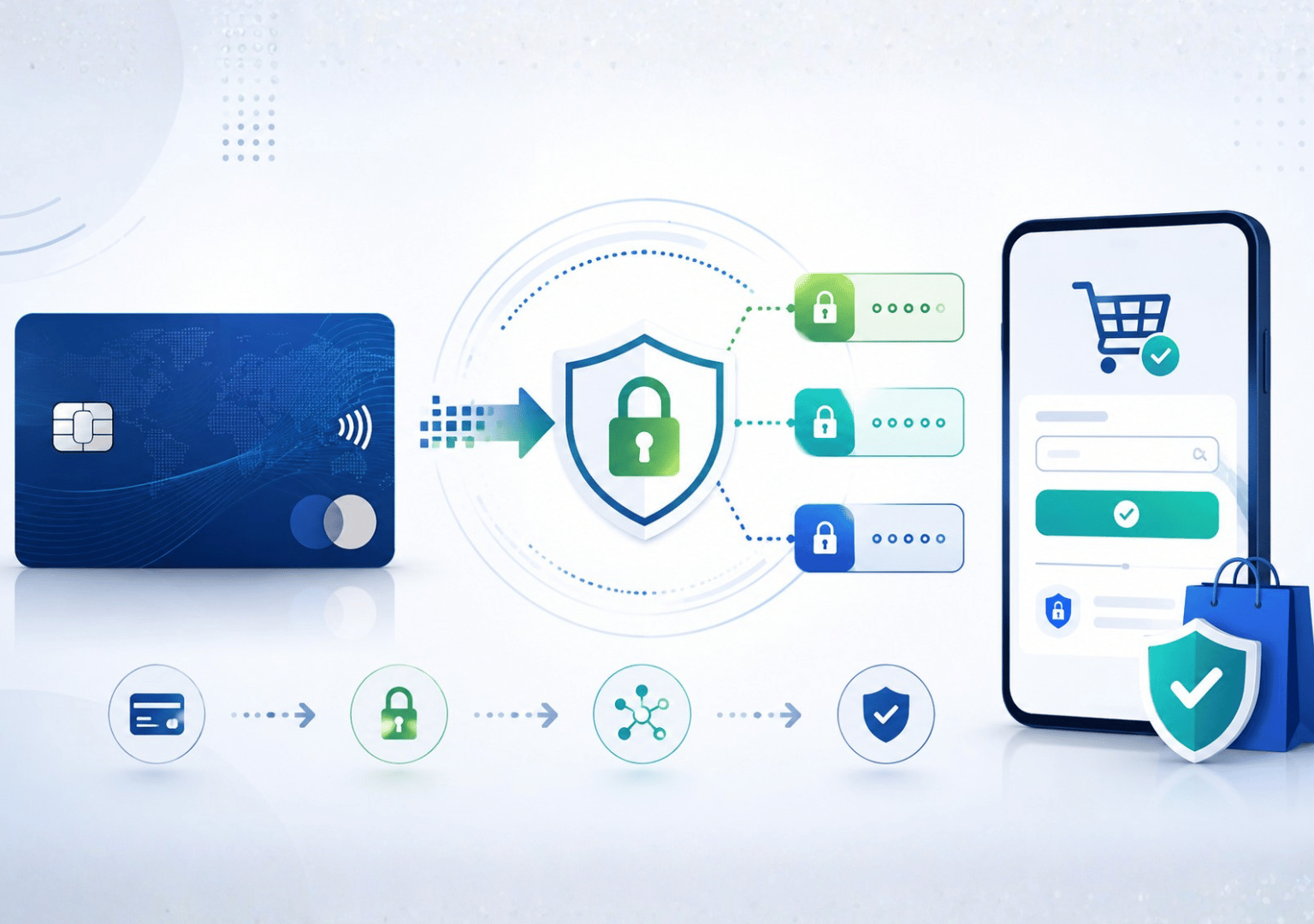
However, online shopping has become much more than occasional purchases made from the comfort of one’s home. Today, consumers shop using websites and mobile apps for groceries, fashion, electronics, travel services, magazine subscriptions, household goods, business supplies, software and other digital products. Increased e-commerce activity gives rise to increased fraudulent attempts. Capital bank loan information visit now.
In turn, criminals have become more sophisticated in their methods of committing online payment fraud. Criminals may use compromised credit card data, phishing and social engineering, fraudulent web sites and messages, automatic bots and even AI. All these factors create an immense challenge for the payment sector.
This includes:
• Passkey based authentication
• Tokenized card credentials
• Safer online checkout
• Better fraud detection
• Stronger identity verification
• Less manual card entry
• More secure digital wallets
• Better protection for card not present payments
Card-not-present payments are defined as transactions in which the physical presence of the card is not needed – neither tapping, inserting, nor swiping is performed. Online shopping is an example of card-not-present payment.
What Are Visa Payment Passkeys?
Visa Payment Passkey is among the most significant updates regarding security measures. The term “passkey” is the name of a modern approach to user identification that does not require any passwords.
As opposed to entering a password and obtaining one-time code, it is likely that a buyer will be able to verify his/her identity in a way they use to unlock their phone. The latter can be a fingerprint, facial recognition, or a pincode set by the buyer himself/herself, depending on the device and its configuration.
The main point is that a person authenticates his/her identity via a device which he/she trusts. Visa Security Features for Online Payments in this year. It is supposed that this update can facilitate checkout procedures and increase security at the same time. Passkeys are convenient in many ways. Passwords can be weak, used across many websites, and even phished. People tend to reuse their passwords for many websites they use daily. In such a case, once one of these accounts gets hacked, others become open too. One-time codes are also susceptible to phishing, social engineering, and so on.
Passkeys can minimize these risks and improve both security and convenience for the customers.
Concerning online payment, this update can simplify the process of checkout
Why Passkeys Matter for Credit Card Users
For credit card users, passkeys may make online payments safer and easier. When a payment requires authentication, the user may not need to remember another password or type in a code sent by text message.
This can help in several ways.
First, it can reduce payment friction. Many customers abandon checkout when payment verification becomes too slow or confusing. A simple device based confirmation can make the process smoother.
Second, it can improve security. Passkeys are harder for fraudsters to steal than passwords. They are also less vulnerable to phishing because the authentication is tied to the device and the payment flow.
Thirdly, this solution will contribute to the protection of transactions without presence of the card. These transactions are often targets of fraud, which means that authentication can help avoid this situation.
At the same time, it is impossible to say that such a solution will completely eliminate the issue of fraud. There is no foolproof system yet.
Tokenization: A Key Part of Visa’s Security Strategy
Tokenization is another key component of Visa’s online payment security. Tokenization means replacing sensitive credit/debit card information with an encrypted digital token.
Instead of transmitting the actual card number to all merchants, it is possible to transmit just a token that will work for electronic transactions. It is far less valuable for the hacker to obtain this token rather than the actual card number. This is crucial since in online payments card information needs to be transmitted or stored somewhere. The more instances of actual card numbers being transmitted or stored, the greater the risks are involved.
For consumers, tokenization may be helpful to provide protection of their card information when using electronic payments. For merchants, tokenization is useful since it can lower fraud levels and increase the probability of payments being approved.
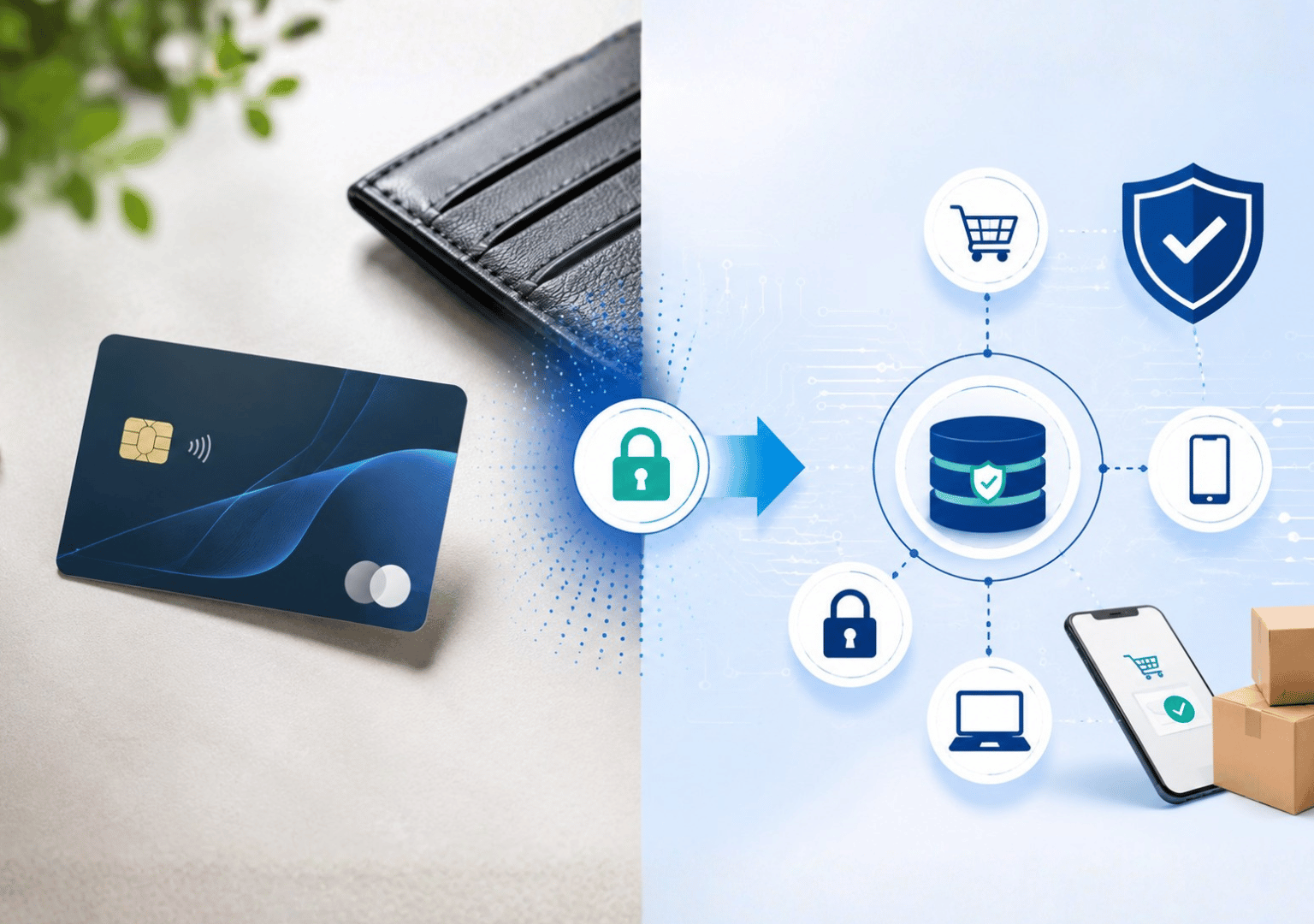
Tokenization may be helpful in case the card gets replaced. In certain situations, updating credentials digitally can be much easier compared to updating them manually.
Click to Pay and Safer Online Checkout
Visa offers Click to Pay, which is another checkout method meant to improve the ease and security of making card payments online. Click to Pay can minimize the need for customers to enter their card numbers on each website.
This is important because card number entry causes friction and potential security threats. A customer enters his or her card information in many websites over time. Different websites may not be able to securely keep the payment details as secure as required. There could also be checkout pages created to scam users and get card details from them.
A better checkout can help keep users safe and speed up the payment process.
A better checkout can also benefit merchants since it helps minimize the possibility of cart abandonment. A customer who feels safe about the checkout process will be more willing to complete the purchase.
For Visa, offering Click to Pay together with tokenization and passkey authentication means an improved digital checkout process.
How These Features Help Fight Online Fraud
The security measures by Visa operate in multiple ways to counter online threats. Passkeys make sure the right person is authorizing the transaction.
Tokenization reduces exposure of real credit card numbers. Click to Pay reduces manual entry and offers a safer checkout process.
Fraud detection can detect unusual activity before the transaction goes through.
All these security measures offer layered security. It is necessary since fraudsters may use different types of attacks – from using stolen card numbers or creating a false identity to phishing and taking over accounts and using bots or social engineering.
Layered security implies that one security measure cannot cover all risks. When the credit card number is tokenized, then the real card number becomes much less exposed. When authentication is done via passkeys, stolen passwords become much less valuable. With a fraud system, any unusual activity may become a reason to challenge or reject the transaction.
Layered security is becoming more relevant due to the growing popularity of online shopping.
What This Means for Online Shoppers
For online shoppers, Visa’s security updates may lead to a checkout experience that is both safer and easier.
In the future, consumers might expect to see shorter check-out processes in some payment procedures. In addition, consumers might expect to see increased device-based authentication methods. Instead of having to manually enter card information, consumers might use secure payment credentials that have been stored previously. Instead of entering a one-time password, consumers might authorize payments using biometric means.
This could make online shopping seem faster. However, what would truly make a difference would be an increased level of security. With less exposure of actual credit card numbers, there would be reduced risks involved in online shopping.
However, consumers should never expect technology alone to do everything for them.
Consumers should:
• Shop from trusted websites
• Avoid clicking suspicious payment links
• Use strong device security
• Keep phones and computers updated
• Turn on transaction alerts
• Review card statements often
• Avoid saving card details on unknown sites
• Report suspicious charges quickly
Visa’s tools can improve payment safety, but consumers should still stay careful.
What This Means for Merchants
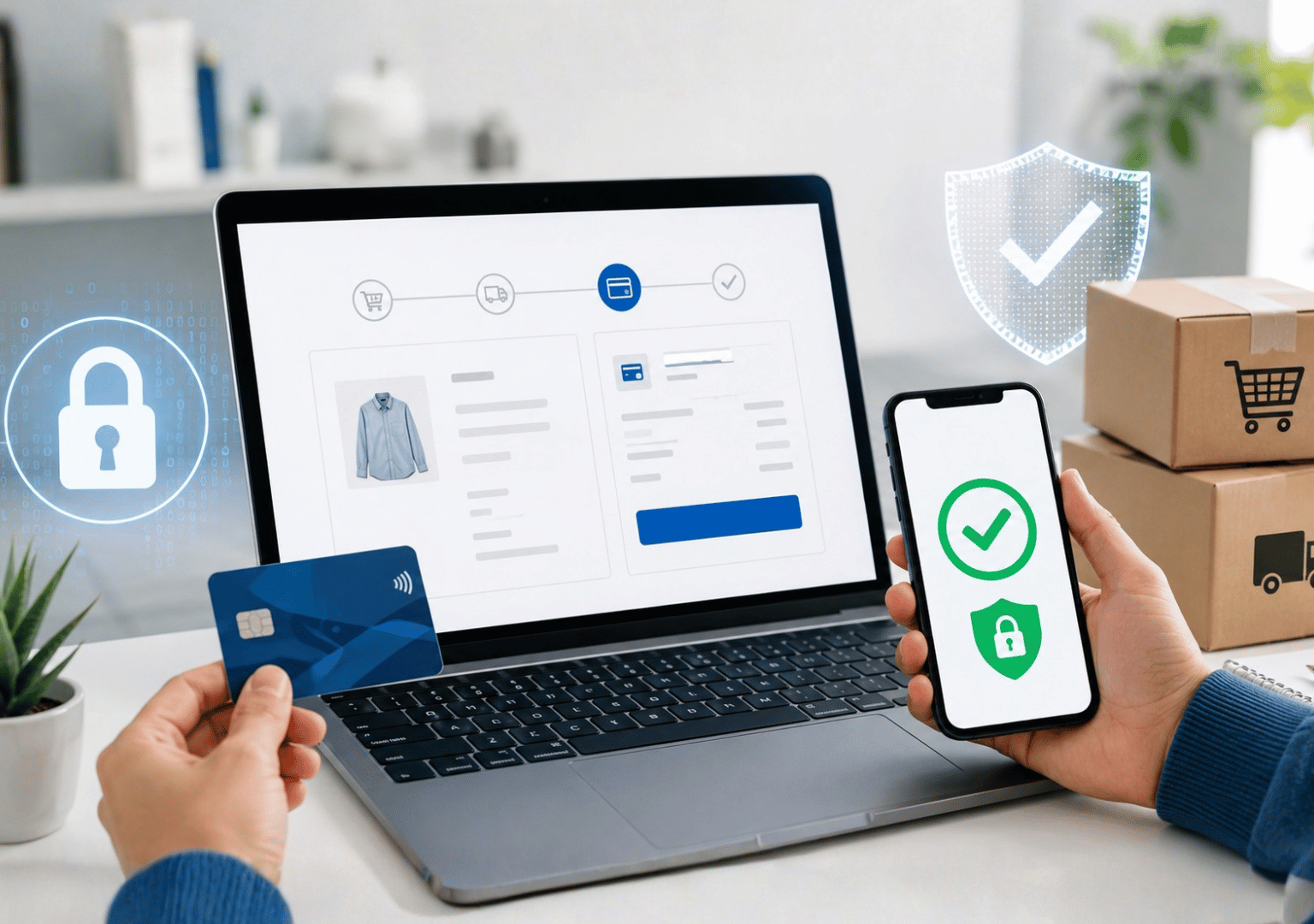
For merchants, stronger Visa payment security can help reduce fraud and improve customer trust. Online businesses depend on smooth checkout. If checkout feels unsafe or difficult, customers may leave before completing the purchase.
Security tools like tokenization, Click to Pay, and passkeys can help merchants protect payments while keeping the buying process simple.
Merchants may benefit from:
• Lower fraud risk
• Fewer stolen card problems
• Better payment approval rates
• Less checkout friction
• More customer trust
• Fewer abandoned carts
• Stronger protection for stored credentials
• Safer recurring payments
This is particularly true for e-commerce sites, subscription-based services, software-based services, travel-related web pages, and applications. The customers expect the checkout process to be speedy but they want their payment details to be secure as well. The new security features of Visa cater to both expectations.
Why AI Fraud Makes Payment Security More Important
One of the reasons behind the increased awareness of payment security is the rise of AI-powered fraud. The criminals can use artificial intelligence to make their scams more realistic, automatize attacks, send false messages, and target the victims more effectively.
This might complicate the detection of phishing and social engineering. Visa Security Features for Online Payments. A fake message may look more professional. A fake website may appear more realistic. A scam may be more personalized.
As fraud becomes more advanced, payment security must also become more advanced. Traditional passwords and basic verification methods may not be enough.
Visa’s focus on passkeys, tokenization, and smarter fraud protection fits this shift. The payment industry is moving toward security that relies less on information that can be copied and more on secure credentials, trusted devices, and intelligent risk checks.
Are Passwords Going Away for Online Payments?
Passwords are not going away overnight. Many websites and payment systems still use them. But the direction is clear: online payments are moving toward passwordless and lower friction authentication.
Passkeys are a major part of that shift. They can reduce the need for passwords during sensitive actions like payment approval.
This does not mean every Visa cardholder will immediately use passkeys for every transaction. Adoption depends on issuers, merchants, devices, regions, and payment platforms. But the trend is important.
Over time, shoppers may see more payment flows where identity is confirmed through device based authentication instead of passwords or text codes.
This can be a major improvement for security and user experience.
Will Online Payments Become More Convenient?
Certainly, that is one of the objectives. Enhanced security does not necessarily have to increase friction. In reality, good payment security usually operates behind the scenes without creating any hassle.
When tokenization protects card credentials, the customer may not notice it. Visa Security Features for Online Payments after this year. When fraud systems analyze risk, the customer may only see a normal checkout. When passkeys are used, the payment may feel faster than typing passwords or codes.
The ideal online payment experience is simple for legitimate users and difficult for fraudsters.
Visa’s new security features are trying to move checkout in that direction.
What Credit Card Users Should Watch For
Cardholders might want to be on the lookout for more secure checkout methods from banks, card issuers, and merchants. There might be more secure ways of payment through passkey payment authentication, Click to Pay, saved secure credentials, and tokenization. Consumers will also receive messages that will prompt them to verify their identity using a device. This is part of a more secure payment method.
Nevertheless, consumers need to beware of fake security prompts. Scammers may also create phishing pages which may mimic the real payment page. Consumers need to check the web page or merchant before proceeding to approve anything.
If there are requests for your credit card information or password out of the normal payment process, you should be wary. Secure payment process happens during the payment and banking flow.
How This News Fits the Future of Credit Cards
Visa’s security updates show how credit cards are changing. A credit card is no longer just a plastic card with a number. It is becoming part of a larger digital payment identity.
The future of credit cards may include:
• Tokenized credentials
• Passwordless payment approval
• Device based authentication
• Digital wallets
• Click to Pay checkout
• AI powered fraud monitoring
• Safer stored card payments
• More secure subscription billing
This makes life easier and safer for the consumer. For the merchant, this can mean more security and increased customer confidence.
The actual number on the card could become increasingly irrelevant. Digital credentials could take its place for online payments.
Should Consumers Trust Online Payments More Now?
Visa’s new security features are a positive step, but consumers should still use good judgment. Online payments are becoming safer, but fraud still exists. Security is not one single feature. Visa Security Features for Online Payments 2026. It is a combination of technology, merchant practices, bank protection, and user behavior. If you need Loan information visit this site.
Visa’s new security features for online payments show where digital commerce is heading. Online checkout needs to be fast, but it also needs to be secure. As fraud becomes more advanced, payment networks must protect users without making the experience frustrating.
Passkeys can make authentication easier and more secure. Tokenization can reduce exposure of real card numbers. Click to Pay can make checkout smoother and safer. Fraud detection can help identify suspicious activity before it becomes a bigger problem.
For consumers, this means safer online shopping and fewer reasons to type card details everywhere. For merchants, it means stronger trust and potentially better checkout performance. For the credit card industry, it signals a move toward smarter, more secure digital payments.
Visa’s latest security direction is not just about stopping fraud. It is about building a better online payment experience for the future.
FAQ
What new security features is Visa adding for online payments?
Visa is focusing on features such as payment passkeys, tokenization, Click to Pay, and smarter fraud protection. These tools are designed to make online checkout safer and easier.
What is Visa Payment Passkey?
Visa Payment Passkey is a modern authentication method that can allow users to confirm payments with device based security, such as fingerprint, face recognition, or a device PIN, depending on the device and setup.
How does tokenization protect online payments?
Tokenization replaces sensitive card details with a secure digital token. This helps reduce exposure of the real card number during online and in app transactions.
Does Click to Pay make online shopping safer?
Click to Pay can help make online checkout safer by reducing manual card entry and using secure payment credentials. It can also make checkout faster and easier.
Will these features stop all online fraud?
No security feature can stop all fraud. However, passkeys, tokenization, and fraud detection can make online payments harder for criminals to exploit.
Do consumers need to do anything?
Consumers should use trusted checkout methods, keep devices secure, turn on alerts, review statements, and avoid suspicious payment links.
Why is Visa focusing on online payment security now?
Online shopping keeps growing, and fraud tactics are becoming more advanced. Stronger security is needed to protect cardholders, banks, and merchants.
Are passkeys better than passwords?
Passkeys can be safer and easier than passwords because they use secure device based authentication and are harder to steal through phishing.
Trending Insights
Discover the smartest credit card solutions designed to simplify payments and reward your lifestyle